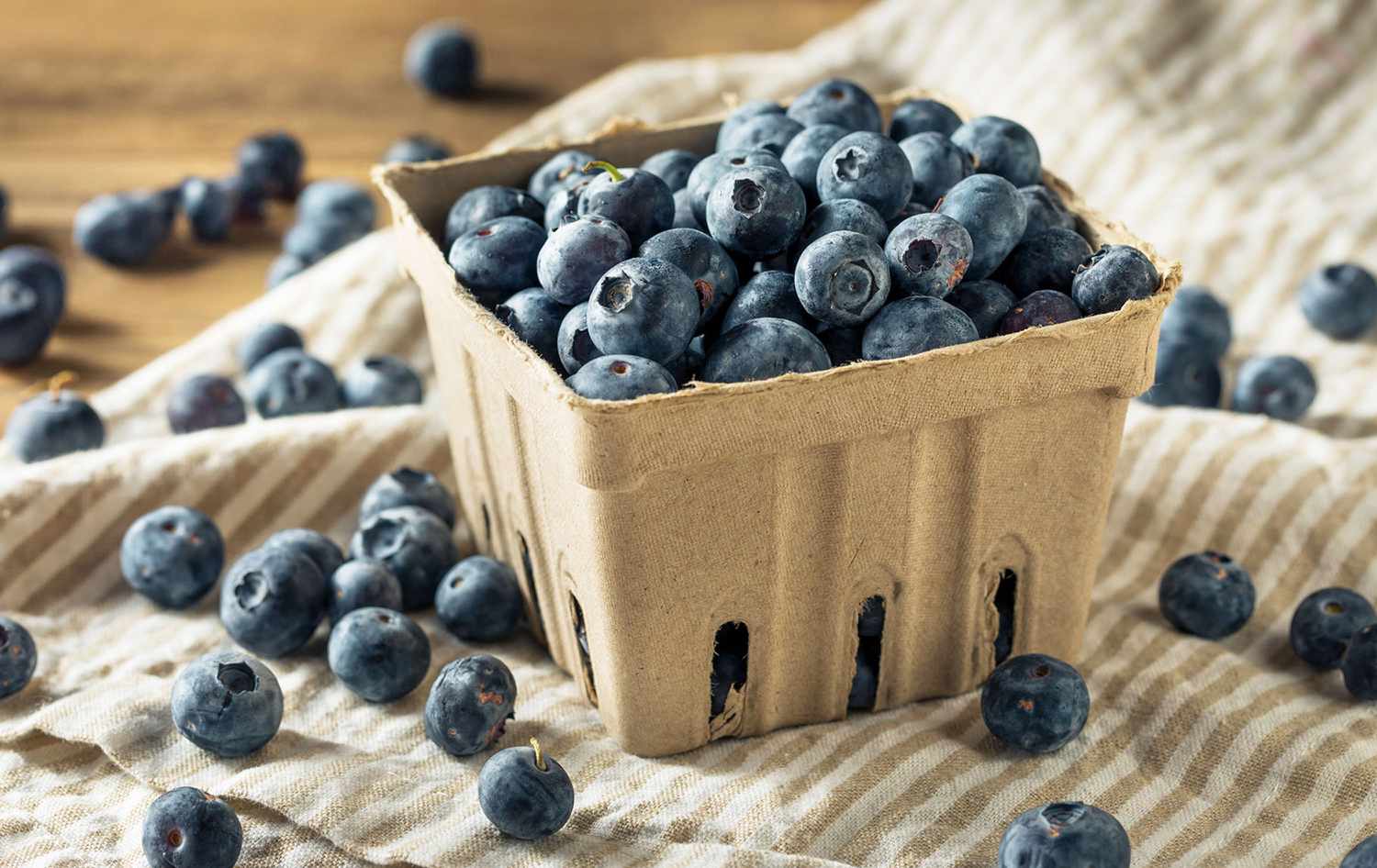
Maximize Blueberry Freshness: Your Guide to 2 Weeks in the Fridge and 8 Months in the Freezer
Blueberries – those little bursts of summer sweetness – are a beloved addition to breakfasts, desserts, and snacks. But their delicate nature often leaves enthusiasts wondering:
how to store blueberries effectively to preserve their peak flavor and nutritional value? While simply tossing them in the fridge might seem sufficient, a few strategic steps can dramatically extend their shelf life, offering up to two weeks of freshness in the refrigerator and a remarkable eight months in the freezer. Understanding these simple yet crucial techniques is key to enjoying your berries for longer and reducing food waste.
Why Proper Blueberry Storage Matters: Beyond Just the Fridge
Many of us are guilty of bringing home a carton of beautiful blueberries and instinctively placing it directly into the refrigerator, giving it little further thought. While this is certainly better than leaving them out, it often falls short of truly maximizing their potential lifespan. Blueberries are surprisingly delicate fruits that thrive with a bit of special attention.
Leaving blueberries at room temperature is a recipe for rapid spoilage. Experts like Chef Nathan Lyon emphasize that at typical room temperatures, these berries will only last a mere one to two days before softening, developing an off-flavor, or even showing signs of mold. Their high water content and thin skin make them susceptible to deterioration, mold, and bacterial growth when exposed to warmth and moisture. This is why proper handling and appropriate temperature control are non-negotiable for anyone looking to keep their blueberries fresh.
The overarching principle for fresh blueberry storage is simple: *moisture is the enemy*. Any excess water introduced before storage creates a breeding ground for mold and bacteria, accelerating spoilage. This fundamental understanding guides all the best practices for refrigeration and forms the foundation of smart blueberry care.
Refrigeration: The Short-Term Freshness Solution
For everyday use and enjoying your berries within a couple of weeks, the refrigerator is your best friend. But there's a right way and a wrong way to tuck them in.
Selecting and Preparing for Refrigeration
Your journey to long-lasting fresh blueberries begins at the grocery store. When choosing, look for plump, firm berries that are dry and free from any signs of fuzziness, wrinkles, or leaks. A good tip from Naturipe Farms expert Brian Bocock is to gently shake the container; if the berries rattle like marbles, you've likely found a fresh, good-quality pack. Avoid any containers with crushed or visibly moldy berries, as these can quickly contaminate the entire batch.
Once you bring them home, resist the urge to wash them immediately. This is perhaps the most critical rule for refrigerated storage. As Chef Raymond Ortiz explains, "Washing blueberries before storing them can introduce moisture, creating an environment for mold, bacteria, and rot." Instead, gently sort through your carton. Remove any berries that appear soft, mushy, leaky, or have even the slightest hint of mold. These problematic berries should be discarded or used immediately, as they can quickly spoil their neighbors.
The Golden Rule: Don't Wash Before Storing!
The consensus among food experts is clear: *do not wash blueberries before refrigerating them*. Moisture is the primary catalyst for mold growth. When you wash berries and then store them wet, you're essentially inviting mold and bacteria to proliferate, significantly shortening their shelf life. Only wash the amount of blueberries you plan to consume immediately before eating them. A gentle rinse under cool running water is all they need.
For an in-depth dive into this crucial tip, consider reading
Don't Wash Yet! Avoid Mold & Store Blueberries for Longer.
Optimal Refrigerator Storage Method
After sorting and without washing, place your blueberries directly into the refrigerator as soon as you get home. While their original plastic clamshell container often works well due to its built-in ventilation, you can enhance freshness further.
* **Breathable Container:** If transferring, opt for a container that allows for some air circulation. An unsealed container, a bowl loosely covered with a paper towel, or even the original vented clamshell will suffice.
* **Absorb Excess Moisture:** To combat any residual moisture, consider lining the bottom of your storage container with a paper towel. This can help absorb condensation, further deterring mold growth.
* **Avoid Overcrowding:** Give your berries a little space. Overcrowding can lead to crushing and restricts air flow, contributing to spoilage.
When stored properly in this manner, unwashed blueberries can maintain their peak freshness for an impressive 10 to 14 days in the refrigerator. This allows you to enjoy them throughout the week in various dishes, from breakfast cereals to vibrant fruit salads.
Freezing for Long-Term Enjoyment
When you want to extend your blueberry bounty far beyond two weeks, freezing is the ultimate solution. While their texture might soften slightly upon thawing, frozen blueberries are perfect for smoothies, baking, sauces, and jams, allowing you to enjoy the taste of summer even in the depths of winter. Frozen berries can maintain their best quality for up to eight months.
Preparing Blueberries for the Freezer
Unlike refrigerated storage, freezing requires a preliminary wash. This is because the freezing process itself helps to preserve them, and washing beforehand ensures they are clean when you're ready to use them.
1. **Wash Thoroughly:** Place your blueberries in a colander and rinse them gently under cool running water.
2. **Dry Completely:** This step is crucial. After washing, spread the berries in a single layer on a clean kitchen towel or paper towels. Gently pat them dry, ensuring there is no visible moisture. Any lingering water will turn to ice crystals and cause the berries to clump together in the freezer, making them difficult to portion later. Air drying for a bit can also help.
3. **Flash Freeze:** Arrange the thoroughly dried blueberries in a single layer on a baking sheet lined with parchment paper. This "flash freezing" step prevents them from sticking together. Place the baking sheet in the freezer for 1-2 hours, or until the berries are solid.
Storing Frozen Blueberries
Once individually frozen, transfer the solid blueberries to an airtight freezer-safe bag or container. Squeeze out as much air as possible from bags to prevent freezer burn. Label the container with the date. Stored this way, your frozen blueberries will retain their optimal quality for up to eight months, as advised by Chef Ortiz. While they will remain safe to eat beyond this period, their texture and flavor may gradually diminish.
Spotting Spoiled Blueberries: When to Toss Them
Even with the best storage practices, fresh blueberries will eventually reach the end of their lifespan. Knowing the signs of spoilage is important for food safety. Chef Nathan Lyon points out that key indicators of spoiled blueberries include:
* **Softness and Mushiness:** Healthy blueberries are firm and plump. If they feel overly soft or mushy to the touch, they're likely past their prime.
* **Visible Mold:** Any fuzzy white or grayish spots are a clear sign of mold and mean the berries should be discarded immediately. Do not attempt to salvage molded berries.
* **Leaking Liquid:** If berries in the container are releasing liquid, it indicates they are breaking down and spoiling.
* **Sour or Fermented Smell:** Fresh blueberries have a mild, sweet aroma. If you detect a sour, fermented, or unpleasant smell, it's time to toss them out.
When in doubt, it's always best to err on the side of caution and discard any berries showing signs of spoilage to avoid potential health risks.
Practical Tips for Maximizing Blueberry Lifespan
Beyond the core storage methods, a few extra habits can help you squeeze every last day of freshness from your blueberries:
*
Choose Wisely: As mentioned, begin with the freshest, plumpest, driest berries you can find at the store. Quality at purchase directly impacts storage potential.
*
Handle Gently: Blueberries have delicate skins. Minimize handling and avoid crushing them, as damaged skins invite spoilage.
*
Don't Overload: Whether in the fridge or freezer, avoid packing berries too tightly. Proper air circulation is beneficial for fresh storage, and single-layer freezing prevents clumping.
*
Use Promptly: Even with perfect storage, blueberries are perishable. Plan to use refrigerated berries within their 10-14 day window and frozen berries within eight months for the best experience.
*
Consider a General Guide: For more extensive advice on storing various types of berries, including blueberries, you might find valuable information in
How to Store Blueberries: Fridge, Freezer, and Freshness Secrets.
By following these straightforward guidelines, you can significantly extend the life of your blueberries. From two weeks in the refrigerator for immediate enjoyment to eight months in the freezer for long-term culinary adventures, mastering blueberry storage means you'll always have these nutritious and delicious fruits on hand. Enjoy the vibrant flavor of fresh and perfectly preserved blueberries all year round!