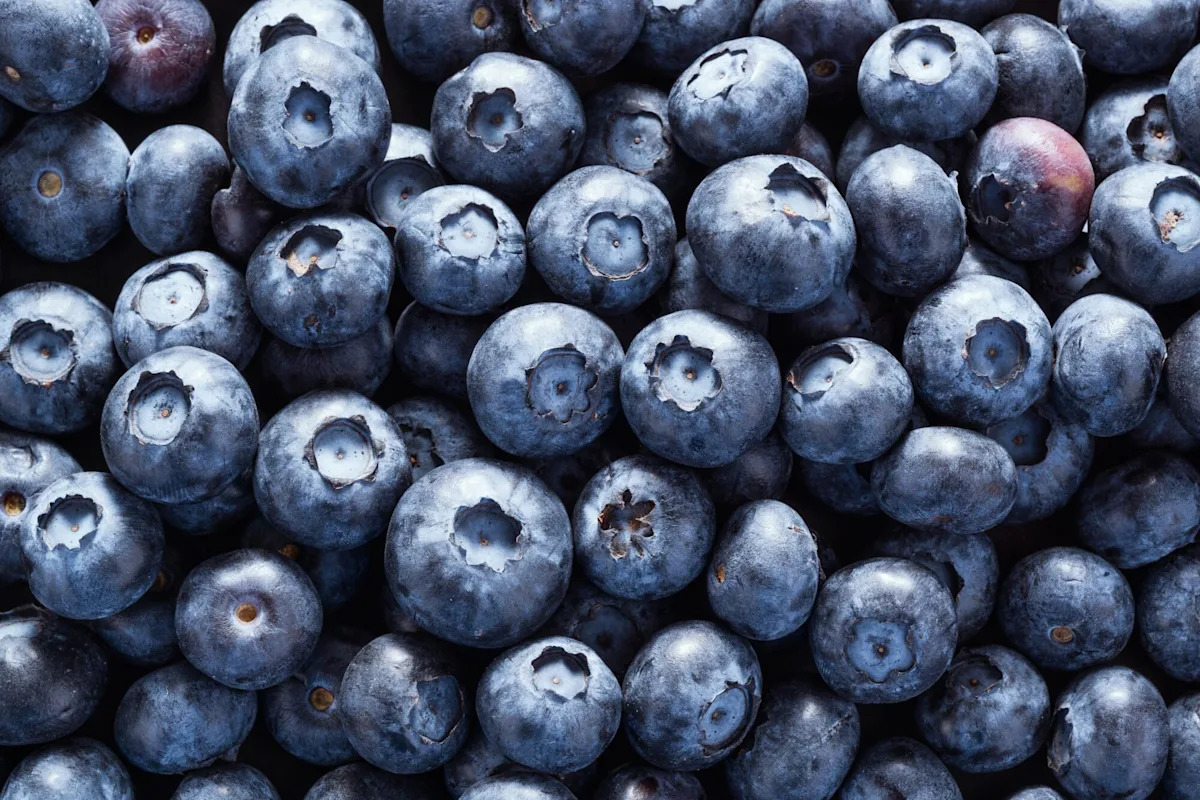
Ah, the delightful burst of a fresh blueberry! Whether you enjoy them straight from the punnet, folded into fluffy pancakes, blended into a vibrant smoothie, or baked into a rustic pie, blueberries are a beloved symbol of summer's bounty. Packed with antioxidants and essential nutrients, they're a smart addition to any diet. However, these delicate gems have a reputation for spoiling quickly, often leading to disappointment (and food waste!) if not handled correctly. The good news? With a few simple, expert-backed strategies, you can significantly extend their freshness and keep that pesky mold at bay. The secret often lies in one counter-intuitive rule: don't wash your blueberries until you're ready to eat them!
Why Blueberries Spoil Quickly & The Perils of Pre-Washing
Unlike some fruits that continue to ripen on your counter, blueberries are best kept cool. Leaving them at room temperature will see them turn soft and begin to spoil within a mere one to two days. Their thin skins make them particularly susceptible to environmental factors like temperature and, most importantly, moisture. This brings us to the cardinal rule of blueberry storage:
The Golden Rule: Moisture is the Enemy of Freshness
It might feel natural to give your produce a quick rinse after bringing it home from the grocery store. However, when it comes to fresh blueberries destined for the refrigerator, this seemingly helpful act can actually be their undoing. Introducing moisture creates an ideal breeding ground for mold, bacteria, and rapid decay. As soon as those tiny drops of water settle on the berries, they accelerate the spoilage process, often leading to a fuzzy, unsightly mess far sooner than you'd expect.
Chef Nathan Lyon, a cookbook author and host, emphasizes the importance of immediate refrigeration, stating that blueberries "spoil quickly, so they shouldn't be kept at room temperature." Likewise, Executive Chef Raymond Ortiz points out that "Washing blueberries before storing them can introduce moisture, creating an environment for mold, bacteria, and rot." So, save that rinse for just before consumption!
How to Store Blueberries in the Refrigerator for Extended Freshness
When stored properly, fresh blueberries can last an impressive 10 to 14 days in the refrigerator. Achieving this extended shelf life starts even before you get home.
1. Smart Selection at the Store
Begin by choosing the freshest berries possible. Look for:
- Plumpness: Berries should be firm and full.
- Dryness: Avoid containers with condensation or any visible moisture.
- Color: A deep, uniform blue color is ideal.
- Absence of Imperfections: Steer clear of any berries that look fuzzy, soft, shriveled, or leaky. These are already on their way out and will compromise the rest of the batch.
Food expert Brian Bocock from Naturipe Farms suggests a "rattle test": gently shake the container. If it "rattles like marbles," you likely have a fresh, firm pack.
2. Immediate Sorting Upon Arrival
As soon as you walk through the door, take a few minutes to inspect your blueberries. This step is crucial for preventing a domino effect of spoilage:
- Remove Any Bad Berries: Gently pick out any soft, mushy, moldy, or broken berries. One compromised berry can quickly spread mold to its neighbors.
- Discard Debris: Remove any leaves or stems.
3. Optimal Refrigeration Technique
Once sorted, your blueberries are ready for the fridge. Remember, no pre-washing!
- Original Packaging or Breathable Container: You can often keep blueberries in their original vented plastic clamshells, as these are designed to provide some air circulation. Alternatively, transfer them to a single layer in a shallow, breathable container.
- Absorb Excess Moisture: Line the bottom of your container with a paper towel. This will absorb any latent moisture and create a drier environment, further inhibiting mold growth. Replace the paper towel every few days if it becomes damp.
- Avoid Tight Sealing: Don't seal the container completely airtight. A little airflow is beneficial. If using a container with a lid, leave it slightly ajar or choose one with vents.
- Ideal Fridge Placement: Store them in the crisper drawer of your refrigerator, which typically offers slightly higher humidity than other shelves, helping to prevent them from drying out too quickly without encouraging mold.
For a deeper dive into optimal fridge and freezer techniques, explore our guide on How to Store Blueberries: Fridge, Freezer, and Freshness Secrets.
When and How to Wash Blueberries Properly
The rule is simple: wash your blueberries only just before you plan to eat or use them.
When it's time, rinse them gently under cool, running water. Avoid forceful sprays that could bruise the delicate fruit. Some experts also suggest a saltwater soak (about 1 tablespoon of salt per cup of water) for a few minutes before rinsing. This can help remove pesticides and even firm up the berries slightly, though a plain water rinse is usually sufficient for most purposes. After washing, gently pat them dry with a clean paper towel if you won't be consuming them immediately, especially if adding them to a dish where excess water might dilute flavors.
Freezing Blueberries for Long-Term Storage
If you have an abundance of blueberries or want to enjoy them far beyond their fresh shelf life, freezing is an excellent option. Frozen blueberries maintain their quality for up to eight months, though their texture might become slightly softer upon thawing, making them ideal for smoothies, baking, or sauces.
The Freezing Process:
- Wash Thoroughly: Unlike fresh storage, you must wash blueberries before freezing. This removes any dirt or residue.
- Dry Completely: This step is critical! Lay the washed blueberries in a single layer on a clean kitchen towel or paper towels and allow them to air dry completely. Any residual moisture will lead to ice crystals and cause the berries to clump together in the freezer.
- Single Layer Freeze: Once dry, arrange the blueberries in a single layer on a baking sheet lined with parchment paper. This prevents them from sticking together as they freeze, allowing you to easily grab just the amount you need later (known as "IQF" - Individually Quick Frozen).
- Transfer to Freezer-Safe Container: Once frozen solid (usually a few hours), transfer the berries to an airtight freezer-safe bag or container. Squeeze out as much air as possible to prevent freezer burn.
- Label and Date: Always label your frozen goods with the date to keep track of their freshness.
Frozen blueberries are wonderfully versatile – toss them directly into smoothies, add them to muffin batter, or simmer them into a delicious compote. To ensure you get the absolute most from your berry bounty, read our detailed guide on Maximize Blueberry Freshness: 2 Weeks in Fridge, 8 Months Frozen.
Recognizing Signs of Spoilage
Even with the best storage practices, fresh blueberries will eventually reach the end of their shelf life. Keep an eye out for these tell-tale signs that it's time to discard them:
- Softness and Mushiness: Fresh blueberries should be firm. If they feel overly soft or mushy, they're past their prime.
- Visible Mold: Any fuzzy white or grayish spots are clear indicators of mold.
- Leaking Liquid: If berries are leaking juice, it's a sign they're breaking down.
- Off Odor: A sour or fermented smell indicates spoilage.
When in doubt, it's always best to err on the side of caution and toss out any questionable berries to avoid potential health risks.
Conclusion
By understanding the delicate nature of blueberries and implementing these simple storage techniques, you can significantly extend their freshness and avoid the disappointment of premature spoilage. From careful selection at the store to immediate sorting, and most importantly, refraining from washing until just before consumption, each step plays a vital role. Embrace these tips, and you'll enjoy plump, delicious blueberries for longer, reducing food waste and making the most of every sweet, juicy bite.
